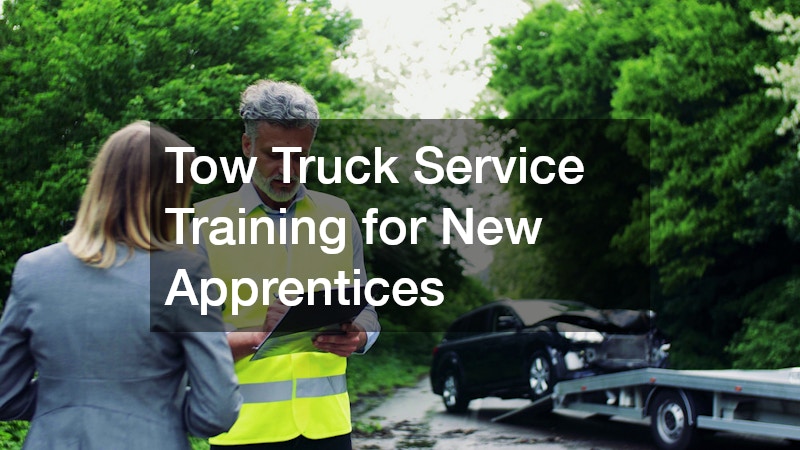
In the dynamic industry of transportation services, tow truck operators play an integral role, often serving as the lifeline in vehicular emergencies. For new apprentices, entering the towing industry requires comprehensive training that encompasses both technical and interpersonal skills. With a robust training framework, these budding professionals can navigate the complexities of towing, ensuring both safety and efficiency on the roads.
What Are the Basic Skills Required for Tow Truck Operators?
Understanding Vehicle Mechanics
An in-depth knowledge of vehicle mechanics is crucial for tow truck operators, as it enables them to swiftly assess and address vehicular issues during towing operations. Understanding vehicle mechanics not only enhances problem-solving skills but also equips apprentices with the confidence to handle unpredictable challenges.
With a solid grounding in mechanics, apprentices can provide better service, enhancing their reliability and the trust customers place in them.
Mastering Safety Protocols
Safety is paramount in towing services, and mastering safety protocols is essential to protect all stakeholders involved. Towing scenarios often pose unique risks, so understanding and applying proper safety measures can prevent accidents and reduce liability. By prioritizing safety, apprentices help ensure a safer environment for both themselves and the public, contributing to a more professional and secure industry.
Navigating Customer Service
Exceptional customer service is a cornerstone of successful towing operations, especially since service interactions often occur under stressful circumstances. Effective communication and empathetic interaction can significantly impact customer satisfaction and loyalty in the towing business. By refining their customer service skills, apprentices can manage client expectations and handle disputes more effectively, enhancing their reputation and the towing service’s standing in the community.
How is Practical Training Conducted for New Apprentices?
Hands-On Vehicle Towing
Apprentices gain valuable experience through hands-on vehicle towing, which is critical for building confidence and proficiency in real-world applications. Under the watchful eyes of seasoned professionals, they learn the nuances of safe and efficient towing techniques. This experiential learning approach helps them internalize best practices and prepares them for independent operations.
Simulated Emergency Situations
Simulated emergencies provide a controlled environment for apprentices to practice critical thinking and quick decision-making skills. These simulations mimic real-life scenarios, preparing apprentices for the unpredictable nature of tow service calls. By engaging in such realistic practice sessions, trainees enhance their ability to perform under pressure, a vital skill in emergency responses.
Workshop Modules and Case Studies
Workshops and case studies serve as a vibrant learning platform, supplementing practical experience with theoretical knowledge. They enable apprentices to analyze past cases and understand industry standards and practices thoroughly. Through these educational modules, apprentices contribute to ongoing dialogue about best practices, fostering a culture of continuous improvement within the towing industry.
What Certifications and Licenses Are Needed?
Obtaining a Commercial Driver’s License (CDL)
Securing a Commercial Driver’s License (CDL) is not only a regulatory requirement but also a testament to an apprentice’s readiness to operate tow trucks responsibly. The CDL process involves rigorous testing, ensuring each candidate possesses the necessary skills and knowledge for safe driving. Successful completion of CDL requirements underscores an apprentice’s commitment to professional excellence in the towing industry.
Specialized Towing Certifications
In addition to a CDL, specialized towing certifications further validate an apprentice’s competency and adherence to high industry standards. These certifications are often aligned with specific types of towing, such as heavy-duty or recovery operations, broadening the apprentice’s capabilities. By earning these accolades, apprentices distinguish themselves as well-versed operators capable of tackling varied towing challenges.
Routine Licensing Updates
Keeping up with routine licensing updates is crucial for maintaining compliance and credibility in the ever-evolving towing sector. Policy changes and emerging technologies necessitate continuous education and adaptation, aspects critical to a tow truck operator’s career longevity. By staying informed and updated, apprentices ensure they remain current in skills and legal regulations, solidifying their positions as responsible and knowledgeable professionals.
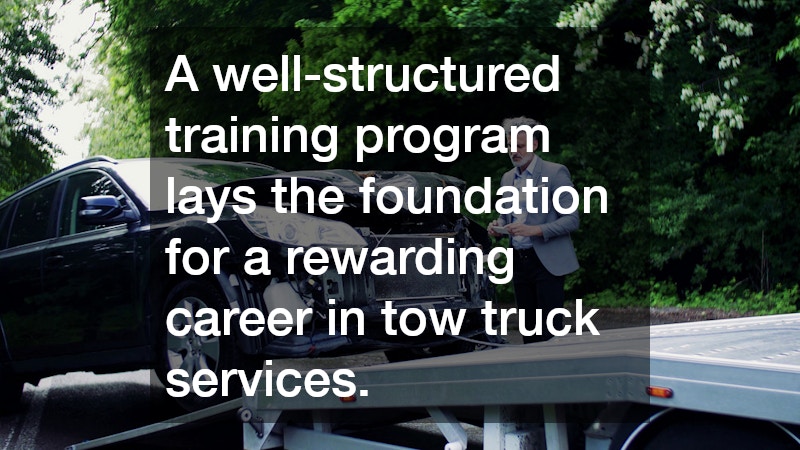
A well-structured training program lays the foundation for a rewarding career in tow truck services, equipping apprentices with the tools they need for success. By integrating technical expertise, safety awareness, and customer service excellence, these programs prepare future operators to meet industry demands confidently. As the towing industry continues to evolve, trained apprentices remain pivotal to advancing safety standards and service quality, benefiting the community and the sector as a whole.
About the Author