Getting your car serviced is an essential part of responsible vehicle ownership, yet many people approach it without fully understanding what’s involved. Regular maintenance ensures your vehicle operates safely, efficiently, and reliably while extending its lifespan. However, knowing the right questions to ask, understanding available services, and being aware of potential costs can make the experience far smoother. A well-informed vehicle owner is better equipped to spot issues early, choose appropriate services, and avoid unnecessary expenses. From minor cosmetic work to major mechanical repairs, understanding the process empowers you to make confident decisions and protect your investment. The following sections break down ten critical things to know before you take your car to the shop.
Understand Your Mechanic
Choosing a trustworthy professional is the foundation of successful car maintenance. Car mechanics play a crucial role in diagnosing issues, recommending solutions, and performing repairs accurately. Understanding a mechanic’s qualifications, certifications, and experience helps ensure your vehicle is handled properly. Transparent communication and clear pricing policies are signs of a reliable shop, while poorly explained services may indicate potential problems. Developing a relationship with a dependable mechanic fosters long-term confidence in the care of your car.
Evaluating a mechanic goes beyond credentials. Observing the organization of the shop, the professionalism of the staff, and their approach to problem-solving can provide valuable insight. Experienced mechanics often anticipate issues before they become serious and suggest preventative measures. A reputable shop will also provide documentation of completed work, ensuring you have a record for future reference. This attention to detail demonstrates accountability and builds trust.
Working with a skilled mechanic also ensures that repairs and maintenance are performed efficiently, reducing the risk of repeat issues. Mechanics who are familiar with your car’s make and model can identify potential weak points and advise on proper care. Regular consultations allow you to plan ahead for costly repairs and maintain the safety and reliability of your vehicle.
Fix Dents Smartly

Minor cosmetic damage doesn’t always require a full body repair, and many car owners can save time and money by considering paintless dent repair. This method preserves the original paint while removing dings and dents efficiently. Understanding when this service is appropriate prevents unnecessary costs and keeps your car looking well-maintained. Paintless dent repair is particularly effective for small dents caused by parking lot mishaps or hail, making it an excellent option for maintaining aesthetics without major repairs. Knowing your options helps you decide whether a traditional repair or a specialized solution is best.
Paintless dent repair requires specialized skills and tools, and not all shops offer this service. Technicians carefully manipulate the metal to restore the original contour without affecting the paint finish. It’s a minimally invasive procedure that reduces labor costs and shortens repair time. Choosing a certified technician ensures quality results and helps maintain the car’s resale value. The right professional can assess your vehicle and advise whether paintless dent repair is suitable.
Beyond cost savings, this approach minimizes disruption to your daily routine. Most repairs can be completed in a few hours, allowing you to continue using your vehicle. Understanding the limits of paintless dent repair also helps you set realistic expectations regarding the final appearance.
Upgrade Vehicle Features
Modern vehicles offer a wide array of customization and performance options, and vehicle upgrades can enhance functionality and enjoyment. From advanced audio systems to performance enhancements, these upgrades allow car owners to tailor their vehicles to personal preferences. Knowing which upgrades are compatible with your vehicle is crucial to prevent costly mistakes. Proper installation ensures both safety and performance, so consulting a professional is highly recommended. Upgrades can also increase comfort, efficiency, and convenience, improving the overall driving experience.
Vehicle upgrades vary widely depending on your goals. Some focus on safety, such as enhanced lighting or collision avoidance systems, while others improve performance, like exhaust systems or suspension modifications. Cosmetic upgrades, including new rims or body kits, also play a role in personalizing a car. A thorough understanding of available options allows owners to make strategic choices that enhance both utility and style. Professional installation ensures components work correctly and do not void warranties.
Investing in vehicle upgrades requires careful consideration of cost, compatibility, and potential resale impact. Consulting experienced professionals can help identify the most beneficial upgrades for your needs. Balancing aesthetics, performance, and practicality ensures that upgrades enhance your daily driving experience without introducing unintended problems.
Keep Your Car Clean

Routine cleaning is more than just aesthetics—it protects your car’s finish and interior from long-term damage. Auto detailing services provide comprehensive cleaning and restoration, addressing both the exterior and interior of your vehicle. Professional detailing removes dirt, grime, and contaminants that regular washing may miss, preserving paint and upholstery. Understanding the different types of detailing, from basic washes to full-service treatments, helps you choose the right level of care. Regular maintenance also improves safety, as clean windows, mirrors, and lights enhance visibility.
Detailing services often include paint protection, interior conditioning, and engine cleaning. Experts use specialized tools and products to remove stubborn stains, polish surfaces, and protect materials from wear. This level of care not only enhances appearance but also contributes to long-term durability. Choosing a reputable service ensures attention to detail and consistent results. Knowing the benefits of professional detailing helps you maintain a pristine and reliable vehicle.
In addition to professional services, regular at-home maintenance complements detailing efforts. Simple practices like vacuuming, wiping surfaces, and washing the exterior between full detailings prevent buildup and reduce the need for costly treatments. Understanding seasonal needs, such as salt removal in winter, further protects your car.
Maintain Diesel Engines
Diesel engines require specialized knowledge to operate efficiently and prevent costly repairs. Diesel repair focuses on engine diagnostics, fuel system maintenance, and emission control. Understanding the unique characteristics of diesel engines helps owners anticipate issues and schedule appropriate service. Regular inspections, oil changes, and component replacements keep diesel vehicles running smoothly and reliably. Proper maintenance also extends the engine’s lifespan and ensures consistent performance.
Diesel repair shops offer expertise in managing turbochargers, fuel injectors, and emission systems. Skilled technicians identify problems early, preventing major failures that could disrupt operations or lead to high repair costs. Owners benefit from preventive maintenance schedules and professional guidance on fuel efficiency. Familiarity with diesel technology allows for better decision-making and reduces downtime. The right service provider ensures both performance and compliance with environmental standards.
Long-term diesel engine health requires proactive care and attention to detail. Monitoring performance, addressing minor issues promptly, and using quality parts all contribute to reliability. Knowledgeable owners and mechanics collaborate to maintain optimal engine operation. Regular maintenance routines prevent unexpected breakdowns, optimize fuel efficiency, and preserve vehicle value.
Handle Collisions Properly

Accidents happen, and knowing how to address them can save time, money, and stress. Collision repair focuses on restoring a vehicle’s structure and appearance after an accident, ensuring it’s safe and roadworthy. Understanding the scope of services offered—ranging from minor fender benders to major structural repairs—helps owners make informed choices. A qualified collision repair shop can assess damage, provide estimates, and guide you through the insurance process. Awareness of available repair options ensures that your vehicle maintains both safety and resale value.
Professional collision repair technicians use specialized tools and techniques to restore vehicles to factory specifications. They evaluate the damage carefully, repair dents, replace damaged panels, and realign frames if necessary. Many shops also provide paint matching and refinishing services to return the car to its original appearance. Choosing a reputable facility ensures quality work and minimizes future problems. Understanding the process also helps manage expectations regarding repair timelines and costs.
In addition to technical expertise, customer service plays a vital role. A collision repair shop that communicates clearly about progress, costs, and insurance requirements makes the process far less stressful. Proper repairs protect occupants, maintain vehicle integrity, and preserve the car’s value.
Service Large Trucks
Large vehicles, like pickups and commercial trucks, require specialized care. Truck repair service addresses the unique needs of these vehicles, including heavy-duty engines, braking systems, and chassis components. Owners must choose repair providers experienced with larger vehicles to ensure safety and reliability. Routine maintenance and timely repairs prevent costly downtime and extend vehicle longevity. Understanding the specific requirements of trucks helps owners make informed service decisions.
Truck repair specialists are trained to handle complex drivetrains, air brake systems, and diesel engines common in commercial vehicles. They can diagnose issues efficiently and perform preventive maintenance to avoid major breakdowns. Many repair facilities offer fleet services, providing consistent care for multiple vehicles. Expertise in large truck systems is crucial to maintain safety standards and comply with transportation regulations.
Maintaining trucks also involves monitoring tire wear, fluid levels, and load distribution. Proactive service reduces the risk of on-road failures and costly repairs. Establishing a reliable relationship with a trusted repair service ensures ongoing support and dependable performance.
Repair Body Damage
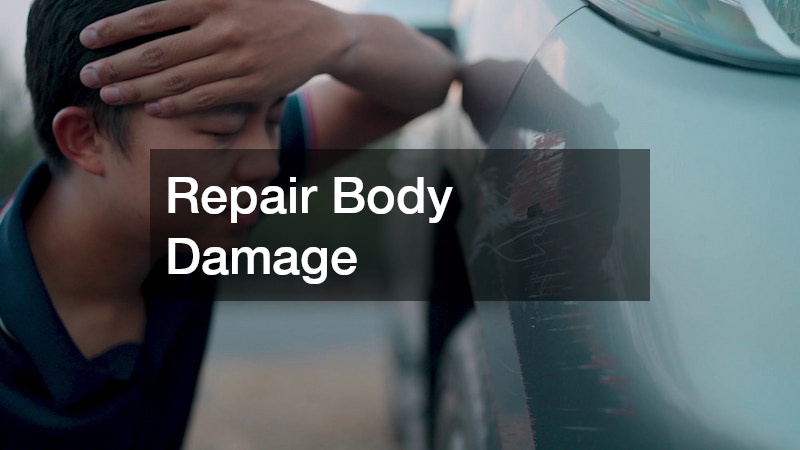
Vehicle appearance and structural integrity are important for both safety and value. Auto body repair encompasses the restoration of exterior damage, from scratches to collision impacts. High-quality repair work ensures a smooth, safe, and aesthetically pleasing finish. Knowing the differences between minor cosmetic repairs and major body work helps owners prioritize services. Professional auto body technicians use modern tools and techniques to maintain factory standards.
Repairs often include panel replacement, dent removal, paintwork, and alignment corrections. Technicians ensure that repaired areas blend seamlessly with the original design. Quality materials and expert craftsmanship protect against rust, corrosion, and further damage. Choosing the right service provider is key to achieving long-lasting results. Understanding the scope and cost of repairs enables car owners to plan effectively.
Long-term care also involves proper maintenance and preventive measures. Regular washing, paint protection, and inspection for damage keep vehicles in top condition. Knowledge of auto body repair options allows owners to make informed decisions when accidents or wear occur.
Check Insurance Options
Before or after service, knowing your insurance coverage is essential. Insurance agencies provide policies that cover repairs, liability, and accidents. Understanding what your policy includes ensures that you maximize benefits and avoid unexpected expenses. Comparing options and selecting adequate coverage is a proactive step toward financial protection. Being familiar with insurance processes also makes filing claims smoother and faster.
Insurance professionals can advise on coverage limits, deductibles, and repair networks. They often recommend approved repair facilities to streamline service and billing. Knowing how insurance interacts with vehicle repairs helps owners avoid unnecessary out-of-pocket costs. Agents also provide guidance on policy updates and risk management strategies. Staying informed about coverage ensures that repairs are handled efficiently and responsibly.
Proactive management of insurance policies prevents complications after accidents or damage. Having clear communication with your provider expedites claims and repair approval. Understanding insurance nuances allows vehicle owners to make smart decisions about repairs, coverage, and budgeting.
Prepare for Winter Roads
Seasonal preparation is critical to safe driving. Snowplow services and winter vehicle maintenance help ensure that cars, trucks, and other vehicles operate safely during harsh weather. Proper winterization includes checking tires, brakes, fluids, and other systems affected by cold temperatures. Planning ahead prevents accidents, breakdowns, and costly repairs caused by icy or snowy conditions. Understanding the steps needed for winter readiness keeps both your vehicle and passengers safe.
Winter preparation involves more than just equipping a snowplow. Owners should inspect battery health, defrosters, and wiper systems while also ensuring proper antifreeze levels. Using appropriate tires and monitoring traction control systems enhances vehicle stability on slippery roads. Professional services can provide expert guidance on winter-specific maintenance and equipment. Awareness and preparation reduce risks associated with winter driving conditions.
Seasonal readiness extends to driving habits and emergency planning. Drivers should maintain safe speeds, avoid sudden maneuvers, and keep emergency kits in vehicles. Snowplow and winter prep services complement these habits by ensuring roads and vehicles are better equipped to handle snow and ice.
Getting your car serviced is about more than simply taking it to a shop; it’s about knowledge, preparation, and proactive care. Understanding your mechanic, exploring options like paintless dent repair, and considering vehicle upgrades all contribute to a safer, more reliable, and visually appealing car. Professional services such as auto detailing, diesel repair, and collision or bodywork ensure that your vehicle remains in peak condition, while specialized attention for trucks and winter readiness adds further security. Insurance awareness and preventive maintenance strategies provide financial protection and peace of mind.
About the Author