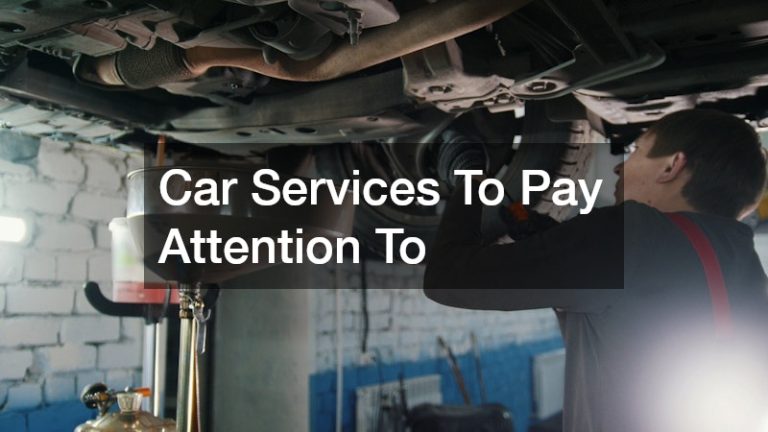
Owning a vehicle is a gateway to personal freedom, offering the ability to traverse vast distances at a moment’s notice. This convenience is coupled with a significant degree of responsibility that every owner must embrace. A car is a complex symphony of mechanical and electrical systems working in unison under extreme conditions of heat and friction. Understanding how these systems interact and degrade is the basis of responsible ownership. By developing a comprehensive understanding of what a vehicle requires, drivers protect their financial investment while ensuring the safety of everyone sharing the road. This requires shifting from a passive driver to an active custodian of an intricate machine.
Beyond financial implications, a well-cared-for vehicle provides profound peace of mind. There is distinct comfort in knowing your transportation is reliable and prepared to handle daily commuting demands. Educating oneself on automotive longevity empowers owners to make informed decisions and avoid unnecessary expenses. The journey of vehicle ownership does not end when purchase documents are signed; it is an ongoing process of observation and timely intervention. Cultivating this knowledge transforms the potentially stressful experience of vehicle ownership into a manageable and rewarding endeavor.
Handling Emergency Breakdowns

Despite meticulous preparation, the unpredictable nature of the open road means that sudden mechanical failures are always a possibility. A sudden loss of power or a blown tire at highway speeds can transform a routine commute into a highly stressful situation in seconds. In these critical moments, the immediate priority must shift from reaching the destination to ensuring the physical safety of the vehicle’s occupants and securing the vehicle away from active traffic. Understanding the protocols for managing a sudden immobilization is an essential component of the overall driving experience.
When stranded on the shoulder of a busy interstate, engaging hazard lights and deploying reflective triangles are the first necessary actions. Once the area is secured, contacting a professional auto towing company is the most prudent step to transport the disabled vehicle to a diagnostic facility. Attempting amateur roadside fixes on modern vehicles can exacerbate the initial problem and lead to catastrophic damage. Relying on specialized transport ensures that the vehicle is elevated and moved without sustaining secondary damage to the drivetrain components during the journey to a repair center.
Restoring Minor Exterior Impacts
The exterior shell of a vehicle is subjected to a constant barrage of environmental hazards and the inevitable miscalculations that occur in crowded parking structures. Minor scrapes, surface scratches, and shallow dents are practically unavoidable realities of driving in populated areas. While these cosmetic blemishes may initially seem like superficial annoyances, they compromise the protective clear coat and paint layers. Left unaddressed, even the smallest breach in the exterior finish can allow moisture to penetrate the metal underneath, leading to rust formation that destroys underlying structural panels over time.
Addressing these localized areas of damage promptly requires specialized techniques to seamlessly blend the repaired section with the surrounding factory finish. A professional bumper repair often involves reshaping indented plastics using controlled heat, filling deep gouges with flexible putties, and precisely matching the original paint code. Modern vehicles frequently house delicate parking sensors and airbag deployment mechanisms directly behind these fascias, making it imperative that restoration is handled carefully. By expertly resurfacing the impacted area, technicians preserve both the aesthetic appeal and resale value of the automobile.
Scheduling Routine Preventative Upkeep
The fundamental philosophy behind ensuring the longevity of any complex machinery lies in the consistent application of proactive care rather than waiting to react to a failure. Automobiles are engineered with specific tolerances and require a constant supply of clean fluids to prevent internal friction from destroying their moving parts. Neglecting these basic requirements forces the engine to work significantly harder, generating excessive heat and accelerating the degradation of critical components. Adhering to a strict regimen of periodic inspections is the single most effective strategy an owner can employ to maximize their investment.
This structured approach requires an understanding of the manufacturer’s recommendations regarding mileage intervals and time-based service requirements. Engaging in regular car maintenance encompasses tasks such as replacing synthetic engine oil to maintain optimal viscosity, rotating tires to ensure even tread wear, and swapping out clogged air filters. Furthermore, checking the concentration of engine coolant prevents overheating during summer months. By systematically addressing these consumable items before they completely degrade, owners safeguard the intricate internal architecture of their vehicle, ensuring optimal fuel efficiency year after year.
Ensuring Optimal Stopping Power
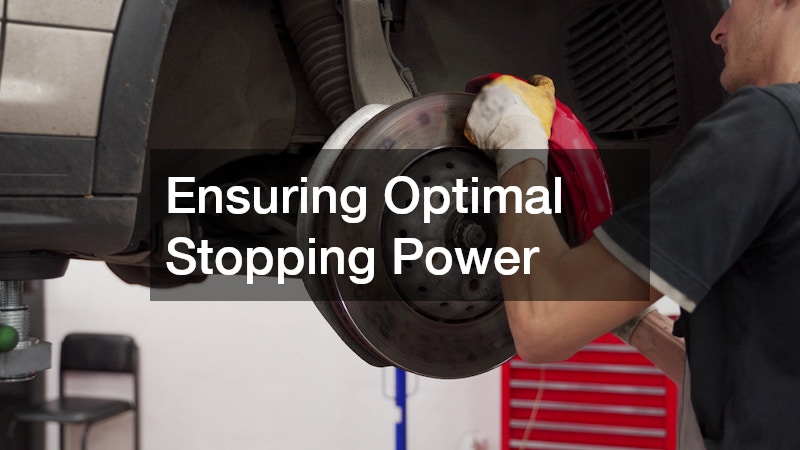
The ability to accelerate efficiently is irrelevant if a vehicle cannot consistently and safely decelerate when required by traffic conditions. The braking system is unarguably the most critical safety mechanism on any automobile, relying on hydraulic pressure and physical friction to convert the immense kinetic energy of a moving vehicle into heat. Because this system operates by intentionally wearing down its own components, regular degradation is a designed certainty. Drivers must remain acutely aware of how their vehicle feels and sounds, as subtle changes are often the first indicators that friction materials are failing.
When the friction pads wear down to their backing plates, the resulting metal-on-metal contact creates a distinct grinding noise and significantly increases stopping distance. A comprehensive brake repair addresses these issues by replacing depleted friction pads, resurfacing scored metal rotors, and ensuring hydraulic calipers are functioning without leaking fluid. Additionally, flushing the hydraulic fluid removes accumulated moisture that can cause a spongy pedal feel. By meticulously servicing these interconnected components, technicians restore the vehicle’s stopping capabilities to factory specifications, providing confidence and control.
Addressing Cracked and Chipped Glass
The transparent surfaces of a vehicle serve a dual purpose: providing an unobstructed view of the environment while acting as crucial structural components of the cabin. High-speed travel frequently exposes windshields to propelled gravel, debris from commercial trucks, and extreme temperature fluctuations. What begins as a microscopic blemish can rapidly expand due to the constant vibrations of the road and the shifting thermal stresses placed on the glass. Maintaining the pristine condition of these surfaces is a strict requirement for ensuring maximum visibility and preserving structural integrity.
When a flying stone creates a small bullseye or starburst fracture, immediate intervention can often save the entire windshield from needing replacement. Professional auto glass repairs involve injecting a specialized, optically clear structural resin directly into the microscopic fissures of the impact zone under a localized vacuum. This resin is cured using ultraviolet light, bonding shattered fragments together and preventing the crack from spreading across the driver’s line of sight. This localized intervention is significantly more cost-effective than discarding an entire sheet of laminated safety glass, quickly restoring strength and clarity.
Servicing High-End Luxury Vehicles
Premium European automobiles represent the pinnacle of modern automotive engineering, combining breathtaking performance capabilities with cutting-edge technological innovations. These exceptional machines are built with incredibly tight tolerances and rely on a vast network of interconnected computer modules to control everything from engine timing to suspension damping. Because of this extreme level of sophistication, maintaining their peak performance requires a standard of care that exceeds the capabilities of a standard shop. The intricacies of their design demand an intimate understanding of proprietary systems and specific diagnostic protocols unique to the brand.
Attempting to diagnose a complex electrical fault or service an active air suspension system on these premium cars without the correct factory-authorized equipment can lead to disastrous consequences. Finding a facility that specializes exclusively in meticulous Mercedes repair ensures that technicians possess the rigorous training and proprietary diagnostic software required to accurately interface with internal networks. These specialists understand exact fluid specifications and complex software calibration procedures necessary to maintain delicate performance balances. Entrusting these vehicles to dedicated experts preserves their sophisticated driving dynamics and protects their substantial value.
Selecting Quality Replacement Components

Throughout the lifespan of any vehicle, countless mechanical and electrical components will eventually succumb to wear, heat, or vibration, requiring replacement to restore proper working order. The global automotive aftermarket is a massive marketplace, offering consumers an array of choices ranging from premium factory-equivalent items to incredibly inexpensive alternatives. The longevity and safety of any mechanical intervention are directly dependent upon the caliber of the materials used in the process. Opting for inferior materials to save costs frequently results in premature component failure and frustrating repeat breakdowns over the life of the vehicle.
Navigating the complex landscape of sourcing the correct items requires a deep understanding of manufacturing tolerances, material grades, and specific engineering requirements. When sourcing auto parts, discerning owners prioritize premium brands that have a proven track record of durability and exact fitment. Utilizing high-quality alternators with robust internal windings, suspension bushings cast from resilient polyurethane, and precise sensors ensures that the vehicle operates seamlessly. Investing in superior replacement materials guarantees that the vehicle performs exactly as designed, providing enduring reliability and peace of mind.
Applying Protective Window Films
The interior cabin of an automobile acts very much like a greenhouse when exposed to direct sunlight, trapping radiant heat and drastically raising internal temperatures to uncomfortable levels. Prolonged exposure to intense ultraviolet radiation not only degrades the comfort of passengers but also causes irreversible damage to interior materials, leading to faded upholstery and brittle plastic dashboards. Mitigating the intrusion of this harsh solar energy is essential for creating a comfortable driving environment, reducing the workload on the air conditioning system, and preserving the financial value of the cabin.
To effectively combat these issues, owners often seek out specialized aftermarket treatments designed to block harmful wavelengths of light while enhancing overall appearance. The precise installation of car tinting involves applying microscopically thin layers of dyed, metallized, or ceramic-coated polyester films to the interior surfaces of the glass. Ceramic films offer superior heat rejection without interfering with cellular signals, providing an invisible shield against infrared heat. A flawless installation requires a surgically clean environment and meticulous squeegee techniques to eliminate microscopic air bubbles and ensure perfect adhesion.
Repairing Major Collision Damage
Experiencing a severe traffic accident is a traumatic event that subjects a vehicle to immense kinetic forces, often resulting in devastating structural and cosmetic damage. Modern automobiles are intentionally engineered with sacrificial crumple zones designed to deform and absorb the energy of a crash, protecting occupants within the reinforced passenger cabin. When these severe impacts occur, the underlying steel framework of the vehicle is frequently bent, twisted, or pushed entirely out of factory alignment. Restoring a vehicle from such extreme trauma is a highly complex engineering challenge that requires more than simply replacing exterior panels.
The restoration process begins with a meticulous structural assessment utilizing computerized laser measuring systems to identify millimeter-scale deviations in chassis geometry. A comprehensive auto body repair requires highly skilled technicians to utilize heavy-duty hydraulic pulling machines to draw crumpled frame rails back to original specifications. Once the structural foundation is perfectly squared, technicians weld on new structural pillars, align replacement exterior panels to achieve uniform gap tolerances, and apply a multi-stage paint process. This rigorous reconstruction is absolutely vital to ensure critical crash-safety capabilities.
Choosing Reliable Service Technicians
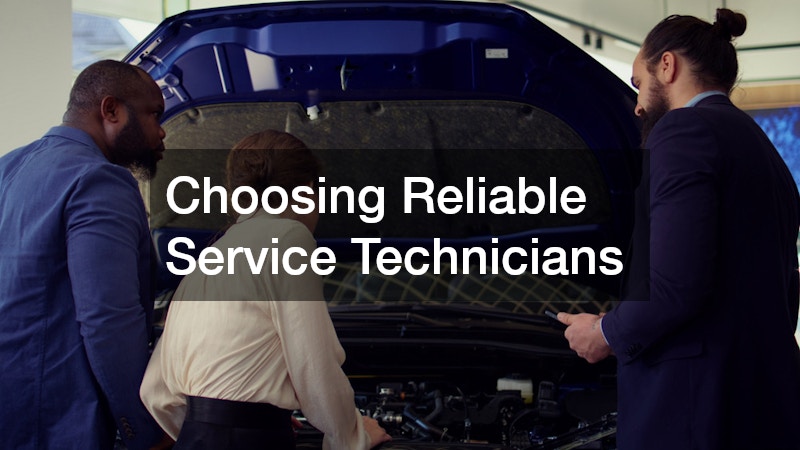
The modern automobile is undeniably one of the most technologically complex devices that the average consumer will ever own and operate on a daily basis. Entrusting the care and safe operation of this expensive piece of machinery to another person requires a profound level of confidence and trust. The automotive service industry spans a wide spectrum of professionalism, ranging from highly ethical experts to operations that prioritize rapid turnover at the expense of transparency. Finding a facility that values long-term customer relationships and operates with unwavering integrity is the most important step an owner can take.
Establishing this vital relationship involves deeply evaluating the credentials, reputation, and communication style of a prospective repair facility. Discerning owners should actively seek out mechanics who hold current certifications from recognized automotive excellence boards, demonstrating a commitment to continuous education regarding evolving technologies. A truly dependable professional will always provide transparent estimates, physically show the customer the worn components, and patiently explain the rationale behind every recommended service. Prioritizing clear communication allows vehicle owners to cultivate a partnership with a trusted professional.
The lifecycle of a modern automobile is a testament to incredible advancements in engineering, but it remains fundamentally reliant on the diligence of its owner. Navigating the diverse landscape of automotive care requires a proactive mindset, a willingness to understand mechanical principles, and a commitment to addressing minor issues before they cascade into major failures. Every mile driven exacts a small toll on the complex systems operating beneath the hood, making continuous observation and timely intervention non-negotiable aspects of responsible ownership. By recognizing the intrinsic value of professional expertise, drivers can effectively arrest mechanical degradation.
Ultimately, the goal of understanding these facets of vehicle maintenance is to ensure a safe, reliable, and enjoyable driving experience. The road ahead is inherently unpredictable, but the mechanical readiness of the vehicle navigating it does not have to be. A well-maintained vehicle is a dependable companion, ready to facilitate daily routines and grand adventures alike with equal proficiency. By viewing automotive care as a worthwhile investment in safety and longevity, owners can confidently take the wheel, knowing they have ensured a secure journey.
About the Author