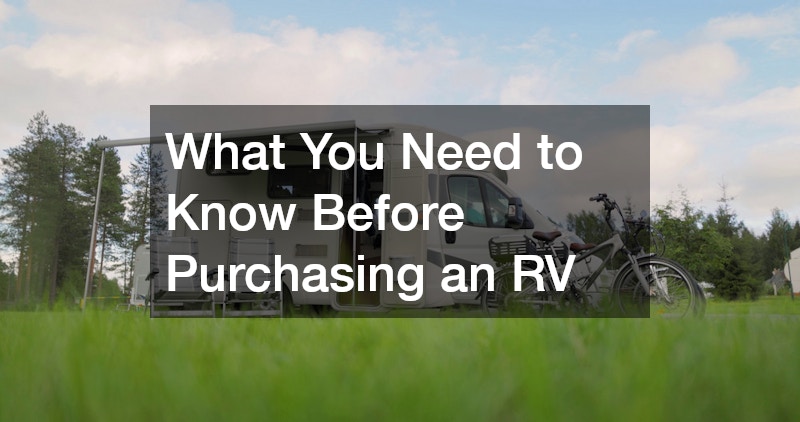
Purchasing an RV is an exciting milestone that opens the door to new experiences, flexible travel, and a sense of independence that traditional vacations rarely provide. Whether the goal is weekend getaways, cross-country trips, or extended living on the road, choosing the right RV requires thoughtful planning and realistic expectations. Many buyers focus heavily on aesthetics or price early on, but long-term satisfaction often depends on how well the RV aligns with lifestyle needs, driving comfort, and maintenance responsibilities. Understanding these factors before committing helps prevent costly mistakes and ensures a smoother ownership experience. Beyond the initial excitement, an RV purchase is a significant investment that blends transportation and housing into one decision. Factors such as drivability, size, long-term costs, and practical usage all deserve careful consideration. Taking time to research, evaluate options, and understand ownership responsibilities allows buyers to move forward with confidence. A well-informed decision not only protects financial investment but also enhances safety, comfort, and enjoyment for years to come.
Understanding Different Types of RVs

Evaluating Your Travel and Lifestyle Needs
Every RV buyer brings a unique vision of how the vehicle will be used, making lifestyle evaluation an essential step in the decision process. Travel frequency, destination types, and the number of passengers all influence which features matter most. Some buyers prioritize compact designs for easy maneuvering, while others value spacious interiors for longer stays. Understanding personal habits and expectations helps guide decisions about size, layout, and overall functionality. Real-world usability should be tested whenever possible. Taking a road test allows buyers to experience visibility, handling, braking, and comfort firsthand rather than relying solely on specifications or reviews. This step often reveals important details, such as driver fatigue, blind spots, or interior noise levels, that are not obvious during a walk-through. Evaluating how the RV performs during actual driving conditions ensures it truly supports the intended lifestyle rather than creating limitations once ownership begins.
Establishing a Realistic Budget
Setting a realistic budget is a foundational step when purchasing an RV, as the cost extends well beyond the sticker price. Buyers need to consider not only the initial purchase but also ongoing expenses such as maintenance, insurance, fuel, and campsite fees. Budgeting early helps prioritize which features and RV types are attainable while avoiding financial strain. It also allows buyers to plan for potential upgrades or customizations without compromising overall affordability. Long-term costs should account for maintenance and unexpected issues, making RV repair services an important part of budgeting beyond the purchase price. Understanding the full scope of costs, including both predictable and unforeseen expenses, helps homeowners make an informed decision that balances features, quality, and long-term sustainability.
Considering New Versus Used RVs
Deciding between a new and used RV is a critical step that influences both cost and reliability. New RVs provide modern amenities, updated technology, and a warranty that protects against early mechanical issues, making them appealing for buyers seeking peace of mind. Used RVs, on the other hand, may offer significant savings upfront but come with unknown wear and potential hidden problems. Evaluating the pros and cons of each option helps buyers choose a vehicle that fits both their budget and travel expectations. Buyers should consider the potential for an RV breakdown when evaluating used models. Older vehicles or those with high mileage may experience mechanical failures sooner, requiring more frequent repairs or even complete component replacements. Understanding the condition of the engine, transmission, and onboard systems is crucial, and scheduling a professional inspection can reveal potential issues. Balancing cost savings with the likelihood of repairs ensures buyers select an RV that is reliable and safe for long-term travel.
Assessing Size and Floor Plan Options
The size and floor plan of an RV significantly affect comfort, usability, and storage capacity. Different layouts accommodate varying numbers of passengers, sleeping arrangements, and lifestyle needs. Some buyers prefer compact, easy-to-maneuver models, while others prioritize expansive interiors with multiple bedrooms, bathrooms, and kitchen spaces. Understanding how size and design impact daily use helps buyers choose an RV that complements their travel style. Practical considerations such as RV storage play a key role in size selection. Larger RVs may offer more living space but require sufficient space at home or access to storage facilities when not in use. Buyers need to plan for secure, weather-protected storage to prevent damage and maintain the vehicle’s condition. Evaluating both interior functionality and external storage needs ensures the RV will be convenient, comfortable, and practical for both travel and periods of non-use.
Choosing the Right Features and Amenities
Selecting the right features and amenities is one of the most important steps in ensuring your RV meets both your immediate needs and long-term lifestyle goals. Modern RVs offer a wide array of options, from upgraded kitchen appliances and entertainment systems to advanced climate control and solar power capabilities. Buyers must carefully evaluate which amenities will enhance their comfort and convenience without unnecessarily inflating the budget or creating maintenance challenges. Prioritizing features that align with your travel habits and family size ensures that each trip is enjoyable, practical, and stress-free.
Storage solutions, sleeping arrangements, and kitchen functionality are often the first aspects buyers consider, as they directly affect daily use on the road. Some RVs offer expandable slide-outs to increase living space, while others maximize compact layouts for easier maneuverability. Features such as built-in entertainment systems, Wi-Fi boosters, and high-efficiency appliances enhance convenience for long trips or extended stays. Buyers should also consider practical additions like awnings, outdoor showers, or climate-control systems, which can greatly improve the usability of an RV in different weather conditions. Thoughtful feature selection reduces the need for aftermarket modifications, which can sometimes be costly or impact warranty coverage.
Energy efficiency and sustainability are also key considerations. Solar panels, LED lighting, and low-flow water systems reduce operational costs and improve self-sufficiency, allowing for longer periods off-grid without sacrificing comfort. Safety and convenience features such as backup cameras, leveling systems, and smart control panels further enhance the ownership experience. By researching available options, comparing models, and even test-driving units equipped with different amenities, buyers can make informed decisions that will keep their RV functional, comfortable, and enjoyable for years to come. Choosing the right combination of features ensures that the RV is not just a vehicle, but a fully equipped home away from home, ready to support a wide range of adventures and travel experiences.
Reviewing Towing and Driving Requirements
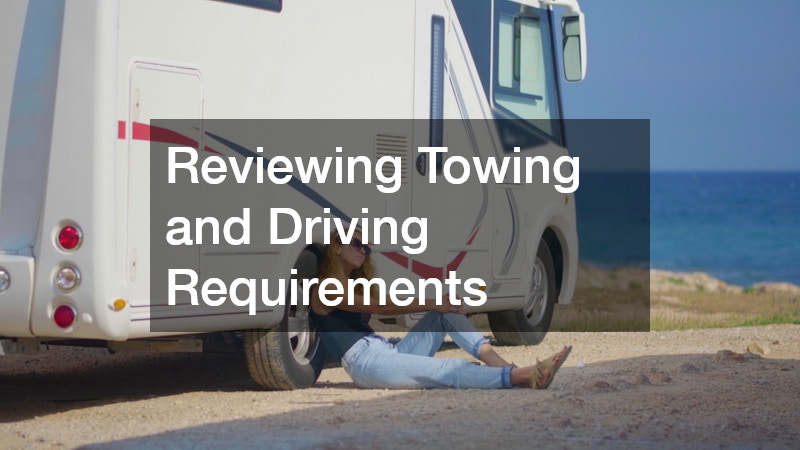
Understanding towing and driving requirements is crucial for safe and efficient RV operation. Different RV types demand varying levels of driving skill, vehicle compatibility, and knowledge of weight distribution. Buyers must assess their own driving experience, the type of vehicle they plan to tow with, and whether they are comfortable maneuvering larger rigs. Proper evaluation at this stage helps ensure confidence behind the wheel and reduces the risk of accidents or damage. The hitch system plays a critical role in towing safely. Selecting the correct hitch, properly installed and rated for the RV’s weight, ensures stability while driving and prevents undue strain on the towing vehicle. Learning how to attach, balance, and maintain the hitch system before hitting the road helps prevent mishaps and allows for a smoother, more secure travel experience.
Understanding Maintenance and Repairs
Regular maintenance is essential to keeping an RV in top condition, preventing small issues from turning into costly problems. Buyers should consider cleaning, engine servicing, and seasonal upkeep as part of routine ownership. A thorough understanding of required maintenance helps preserve the vehicle’s lifespan and ensures a reliable travel experience. Septic pumping is an important aspect of RV maintenance that cannot be overlooked. Regularly emptying and servicing the waste system prevents clogs, unpleasant odors, and potential damage to tanks and plumbing. Familiarity with proper septic care and scheduling routine pumping services keeps the RV functional and comfortable for extended trips.
Exploring Insurance and Warranty Coverage
Insurance and warranty coverage protect both the owner and the RV in the event of accidents, mechanical issues, or environmental damage. Evaluating policy options early allows buyers to choose coverage that matches their needs and provides peace of mind. This includes understanding liability limits, comprehensive protection, and whether coverage extends to accessories or customizations. Traffic safety considerations are often factored into insurance policies and warranty conditions. Knowledge of how the RV performs on highways, in inclement weather, or in congested areas helps buyers anticipate risks and plan accordingly. Ensuring that safety features and driving habits align with coverage requirements reduces potential liabilities and contributes to a secure ownership experience.
Researching Storage and Parking Options
Proper storage and parking considerations are essential for maintaining an RV’s condition and ensuring convenience when it’s not in use. Homeowners need to evaluate whether they have adequate space at home or if off-site storage is necessary. Accessibility, security, and protection from weather elements are all key factors that influence the choice of storage location. Planning helps prevent damage and keeps the RV ready for travel whenever it’s needed. Tires require particular attention when an RV is stored for extended periods. Maintaining proper inflation, checking for signs of wear, and rotating or replacing tires as needed prevents flat spots, cracks, or blowouts. Regular inspection ensures the RV remains safe to drive and extends the life of these essential components, making tire care a crucial part of long-term storage planning.
Preparing for Long-Term Ownership
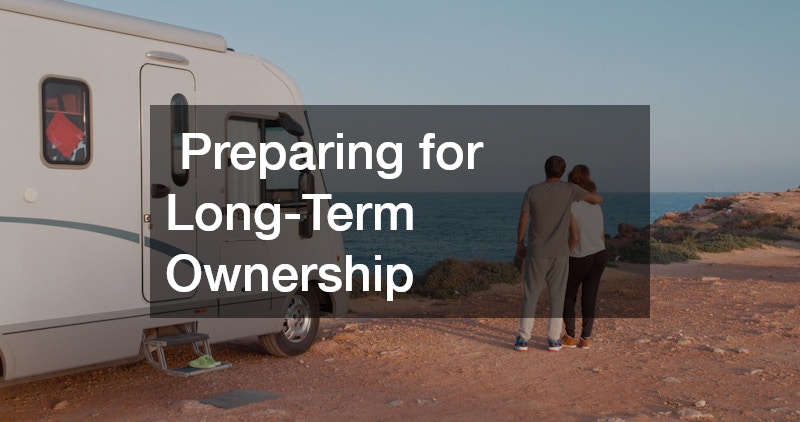
Long-term ownership requires careful planning, ongoing maintenance, and thoughtful customization. Buyers should consider how the RV will be used over the years, including frequency of travel, potential upgrades, and personal touches that improve comfort and usability. Preparing for long-term ownership ensures the investment continues to meet lifestyle needs and retains value over time. Decals and other personalizations can enhance the RV’s appearance and make it easier to identify, especially in crowded parks or storage areas. Choosing high-quality, weather-resistant decals allows owners to personalize their vehicle while maintaining a professional, clean look. Thoughtful customization supports both practicality and personal expression throughout the life of the RV.
Purchasing an RV is a major decision that combines lifestyle planning, financial preparation, and practical considerations. From evaluating travel needs and selecting the right type of RV to understanding towing requirements, maintenance, and storage, every step contributes to long-term satisfaction and safety. Being informed helps buyers avoid common pitfalls and ensures the RV meets both personal and functional expectations. By taking the time to research, plan, and consult experts when necessary, buyers can enjoy a smoother ownership experience. Attention to details such as rv repair services, septic pumping, proper hitch use, and traffic safety all contribute to a reliable and enjoyable RV lifestyle. With careful preparation, thoughtful customization, and regular maintenance, an RV becomes more than just a vehicle—it becomes a home on the road, offering freedom, comfort, and adventure for years to come.
About the Author