Getting into a motor vehicle collision is frightening, but discovering that the other driver is intoxicated elevates the danger, stress, and legal complexity of the situation immensely. Drunk driving accidents often occur at high speeds or involve severe erratic behavior, leading to catastrophic physical injuries, extensive property damage, and significant emotional trauma. Unlike standard traffic mishaps where simple negligence or bad weather is to blame, crashes involving impaired drivers stem from deliberate, illegal choices that put every road user at extreme risk.
Navigating the aftermath of a DUI-related crash requires a clear understanding of immediate safety protocols, evidence preservation, legal rights, and physical rehabilitation. The steps you take in the minutes, days, and weeks following an impact will directly influence your ability to recover physically, recover financially, and hold the responsible party fully accountable under the law.
Handling these situations involves managing concurrent criminal and civil cases, negotiating complex insurance policies, and ensuring your body receives proper medical treatment. Below is an in-depth operational guide outlining every critical step you must take if you are involved in an accident caused by an impaired driver, helping you move from the initial shock of the collision toward complete physical and financial recovery.
1. Immediate Safety Measures at the Crash Scene
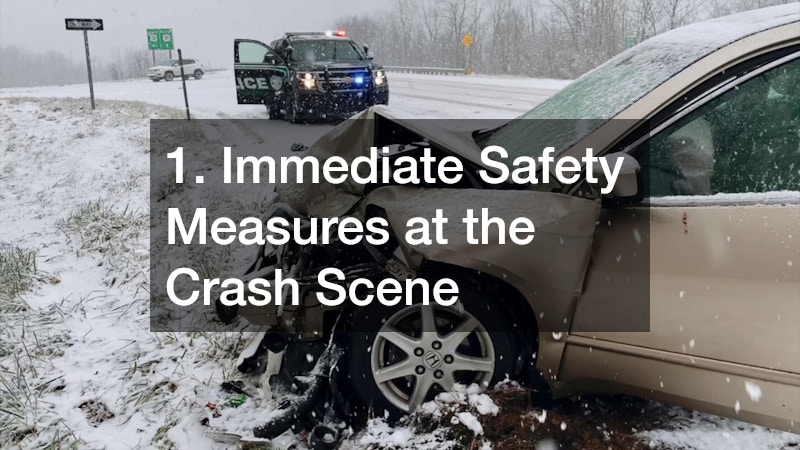
The moments immediately following an impact are chaotic, filled with adrenaline, confusion, and potential danger. Taking deliberate, calm steps to preserve safety for yourself and your passengers is your highest priority.
First, check yourself and everyone in your vehicle for injuries before attempting to move. Violent collisions frequently cause hidden trauma, such as spinal injuries, internal bleeding, or severe concussions. If anyone is unconscious, complaining of neck pain, or showing signs of severe trauma, avoid moving them unless there is an immediate, life-threatening hazard like a vehicle fire or rising water.
If it is safe to do so, move your vehicle to the shoulder or a nearby parking lot to avoid secondary collisions with passing traffic. If the vehicle is inoperable, turn on your hazard lights immediately, set up emergency flares if available, and stay buckled inside your car if exiting into active traffic poses a greater threat to your life.
Second, contact emergency services without delay. When calling 911, clearly state your exact location, the number of vehicles involved, and whether anyone requires immediate medical attention. Explicitly inform the dispatcher if you suspect the other driver is under the influence of alcohol or drugs. Describing specific behaviors—such as slurring words, staggering, slurred speech, or attempts to discard containers—will prompt law enforcement to dispatch officers equipped to conduct Field Sobriety Tests (FSTs) and chemical breathalyzers.
Third, maintain extreme caution when interacting with an impaired driver. Drunk drivers are often unpredictable, disoriented, aggressive, or combative due to lowered inhibitions and cognitive impairment. Keep a safe distance, refrain from confronting them about their drinking, and do not engage in arguments regarding fault. Simply request their standard license and policy details from a safe distance, or wait for responding police officers to collect that information on your behalf.
- Check for injuries thoroughly: Check yourself and your passengers for severe harm before attempting to exit the vehicle or move anyone.
- Move to safety if possible: Steer inoperable vehicles out of active traffic lanes or keep hazards flashing to alert approaching motorists.
2. Documenting Evidence and Interacting with Law Enforcement
Establishing clear evidence of intoxication and liability at the scene is crucial for proving fault in both criminal proceedings and civil insurance claims. While law enforcement will conduct their own investigation, gathering your own contemporaneous records ensures vital details are not overlooked or lost.
While waiting for police officers to arrive, observe and note specific physical indicators of impairment. Look for signs such as slurred speech, the smell of alcohol on their breath, bloodshot eyes, stumbling, or admitted drinking. Write these observations down on your phone or record a detailed voice note while your memory is fresh. If you notice open beer cans, liquor bottles, or drug paraphernalia inside or around the other vehicle, take clear photos from a safe distance without trespassing into their passenger compartment.
Comprehensive photographic and video evidence is vital for reconstructing the crash scene later. Capture extensive photos showing overall road conditions, weather, traffic signals, skid marks, vehicle resting positions, and property damage. Drunk driving collisions frequently involve off-road impacts where vehicles strike stationary structures.
For instance, if an impaired driver veers off the roadway and crashes through security gate mechanisms or automatic gates, document the crushed control boxes, broken fencing, and tire tracks left across the driveway. These physical details prove velocity, trajectory, and an absolute loss of vehicle control.
Furthermore, record structural details that may have contributed to the crash or obstructed the driver’s vision. Take close-up photos of license plates, registration stickers, and physical modifications on all vehicles involved. Pay attention to elements like illegal windshield tinting services or overly dark window films, as obstructed visibility combined with alcohol impairment further demonstrates gross negligence and reckless disregard for public safety.
Finally, ensure you interact thoroughly with responding police officers. Answer their questions factually, but avoid guessing or speculating about speed or distances if you are unsure. Request the primary responding officer’s name, badge number, police department, and the official police report reference number. The official police report—which includes field sobriety findings, breathalyzer or blood test results, and arrest records—forms the foundation of your future financial recovery.
- Log physical symptoms of impairment: Note slurred speech, unsteady gait, odor of alcohol, or confusion exhibited by the driver.
- Photograph all structural damage: Document crushed fences, shattered perimeter barriers, and tire tracks leading off the road.
3. Navigating Physical Recovery and Medical Documentation
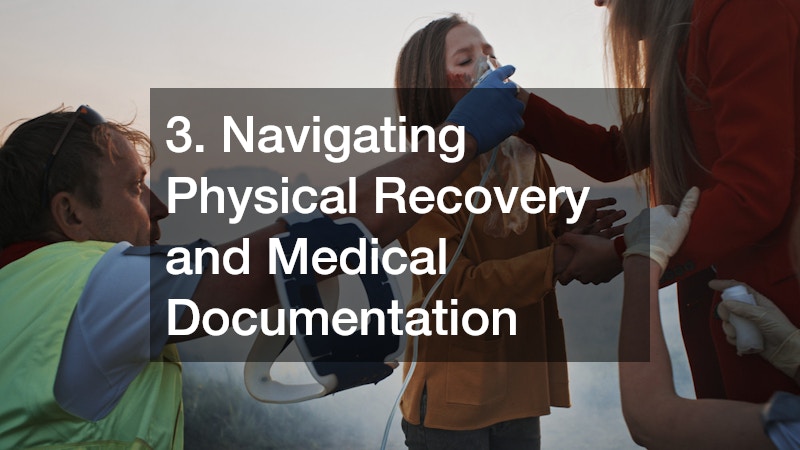
Even if you walk away from the crash feeling relatively uninjured, the massive surge of adrenaline and shock produced by a violent impact can easily mask severe, latent physical trauma. Whiplash, concussions, spinal misalignments, soft-tissue tears, and internal organ damage often take hours or days to manifest symptoms fully.
Seeking immediate emergency medical evaluation is both a health necessity and a critical legal strategy. Go to an emergency room, urgent care center, or your primary care physician on the day of the accident. A prompt, thorough medical exam establishes an official, timestamped record that links your physical trauma directly to the collision. If you delay seeking care for weeks, insurance adjusters will inevitably argue that your injuries were caused by an unrelated event or were not serious enough to warrant compensation.
For musculoskeletal injuries, neck stiffness, back pain, and joint trauma, specialized ongoing therapy is essential for complete recovery. Visiting an auto accident injury chiropractor allows for comprehensive spinal evaluations, target diagnostic imaging, and structured adjustments designed to realign the spine and relieve nerve pressure caused by violent sudden deceleration.
Chiropractic professionals specialize in documenting soft-tissue injuries, functional limitations, and long-term treatment plans, providing precise medical records that carry significant weight during insurance settlement negotiations.
Throughout your medical treatment, maintain meticulous records of every aspect of your recovery journey. Keep a organized folder containing medical charts, diagnostic scan results, physical therapy logs, prescription receipts, and mobility aid expenses.
In addition, keep a personal daily pain journal detailing your physical discomfort, mobility restrictions, sleep disruptions, and missed workdays. Documenting how the crash hinders your daily tasks—such as caring for your children, completing household chores, or engaging in hobbies—provides compelling proof of pain and suffering when seeking full compensation.
- Seek prompt emergency care: Undergo a medical examination on the date of the crash to link injuries directly to the incident.
- Follow recommended treatment plans: Attend all physical therapy, specialist visits, and follow-up care without unapproved gaps.
4. Managing Insurance Claims and Adjuster Negotiations
Interacting with insurance providers after a drunk driving crash requires extreme care and strategic caution. While you expect insurance companies to operate fairly, claims adjusters work for corporate entities focused on minimizing financial payouts—even when the liability of an intoxicated driver seems indisputable.
First, notify your own insurance provider about the accident as soon as possible, as most policies mandate prompt reporting. Stick strictly to factual details: the date, time, location, vehicles involved, and the fact that the other driver was arrested on suspicion of DUI. Do not speculate about your physical condition or admit any partial fault while speaking with your agent.
When dealing with the drunk driver’s insurance carrier, understand that they are working to reduce their client’s exposure. Insurance representatives may contact you quickly, offering a fast, lowball cash settlement before you fully understand the extent of your medical needs or lost wages.
Accepting a premature settlement requires signing a liability release waiver, which permanently waives your right to seek additional compensation if your injuries worsen or require surgery later. Never provide recorded statements or sign medical release authorizations for the opposing insurer without first consulting legal counsel.
Navigating coverage limits can also become complicated, particularly if the drunk driver carries minimal coverage or holds an active policy with cut-rate automobile insurance agencies. These low-cost carriers frequently delay claim processing, dispute liability despite police arrests, or offer policy limits that fail to cover basic emergency room bills.
If the at-fault driver’s policy limit is insufficient to cover your total damages, you may need to file a claim under your own policy’s Uninsured/Underinsured Motorist (UM/UIM) coverage or Personal Injury Protection (PIP) provisions.
After your immediate claims are settled and your vehicle is repaired or replaced, take time to evaluate your long-term insurance setup. Navigating a major accident highlights the vital importance of maintaining robust, high-limit policy coverage.
When shopping for replacement insurance policies or adjusting your current coverage, comparing quotes across multiple providers allows you to find affordable auto insurance that delivers exceptional protection—including high UM/UIM limits and comprehensive collision coverage—without overextending your monthly household budget.
- Report the crash promptly: Notify your primary auto insurance company immediately while keeping your statement factual and concise.
- Reject premature settlement offers: Refuse quick cash payouts from opposing adjusters before your medical treatment is finished.
5. Securing Qualified Legal Representation

Drunk driving accident claims differ significantly from ordinary traffic accidents because they sit at the intersection of criminal law and civil personal injury litigation. While state authorities prosecute the driver to uphold public safety, the criminal court system does not directly manage your personal civil financial recovery.
Understanding the clear distinction between criminal and civil court proceedings is critical. In the criminal justice system, state prosecutors or public dui attorneys represent the state or local government. Their objective is to convict the driver, impose fines, revoke driver’s licenses, mandate rehabilitation, or secure jail time.
While a criminal conviction or a guilty plea provides overwhelming evidence of liability for your civil case, criminal prosecutors do not act as your personal lawyer, nor do they fight to recover your lost wages, future medical costs, or pain and suffering.
To secure complete financial justice, you must retain an experienced car accident attorney who specializes in drunk driving cases. A skilled civil litigation attorney acts exclusively in your best interest, launching an independent investigation to gather breathalyzer records, police dashcam footage, bar receipts, cell phone logs, and toxicologist testimony.
Your legal counsel monitors the criminal prosecution closely, leveraging criminal trial evidence and BAC results to build an undeniable case of gross negligence in civil court.
Hiring a dedicated accident lawyer level the playing field when negotiating against powerful corporate insurance teams. Your legal representative handles all communications with adjusters, manages medical billing liens, calculates future financial losses, and prepares your case for trial if the insurer refuses to pay a fair settlement.
Furthermore, experienced car accident attorneys understand how to pursue punitive damages. Unlike standard compensatory damages that cover medical bills and property loss, punitive damages are awarded by a judge or jury specifically to punish the drunk driver for egregiously reckless behavior, significantly increasing your total financial recovery.
- Understand prosecutor limitations: Recognize that state attorneys punish criminal behavior but do not manage your civil financial claim.
- Hire dedicated civil counsel: Partner with a specialized personal injury firm that handles complex motor vehicle litigation.
Blueprint for Long-Term Recovery and Resolution
Recovering from a collision caused by an intoxicated driver is a long-term process that requires patience, discipline, and structured coordination across medical, financial, and legal disciplines.
First, prioritize your physical and emotional well-being above all else. Attend every medical appointment, follow your rehabilitation exercises diligently, and seek professional counseling if you experience post-traumatic stress, driving anxiety, or sleep disturbances following the crash.
Second, maintain clear organization across all paperwork. Create digital copies of medical bills, police contact sheets, repair estimates, and written communications from insurance carriers. Keeping your documentation organized allows your legal team to move swiftly when filing demands.
Finally, trust the legal process and avoid rushing into premature settlements. Holding a drunk driver accountable takes time, particularly when waiting for blood alcohol evidence from state laboratories or watching criminal court proceedings unfold. By taking thorough, deliberate action at every stage, you protect your rights, secure the financial resources needed for your care, and help hold dangerous, impaired drivers accountable for their actions on the road.
About the Author