Your vehicle plays an important role in daily life, from commuting to work and running errands to traveling with family and friends. Keeping it in dependable condition requires more than filling the fuel tank and washing the exterior. Routine maintenance and timely attention to mechanical concerns can help support reliable performance, improve driving comfort, and address small issues before they develop into more significant problems.
Regular inspections can give drivers an opportunity to identify worn components, fluid concerns, unusual noises, and other signs that something needs attention. When maintenance is combined with timely repairs, vehicle owners can take a proactive approach to caring for their cars and trucks.
Knowing which services matter and recognizing common warning signs can help you make informed decisions about your vehicle’s care.
Addressing Warning Signs Early
Vehicles often provide noticeable indications when a component isn’t working as it should. Unusual sounds, vibrations, warning lights, fluid leaks, changes in handling, and difficulty starting can all signal a potential mechanical or electrical concern.
Ignoring these signs doesn’t necessarily make the underlying issue disappear. A minor problem can sometimes affect other components if it remains unaddressed. For example, unusual braking behavior could indicate worn brake components, while a dashboard warning light could point to an issue that requires diagnostic testing.
Seeking auto repair when a warning sign appears can help identify the source of a problem. Technicians can inspect affected systems, perform diagnostic procedures, and determine which components require attention. Prompt service can help prevent drivers from continuing to operate a vehicle with an unresolved problem.
Maintaining the Braking System
The braking system is one of the most important systems in any vehicle. Brake pads, rotors, calipers, brake fluid, and other components work together to help the vehicle slow down and stop. Because these parts experience regular wear, they require periodic inspection.
Drivers may notice several signs when brake components need attention. Squealing or grinding sounds, vibrations when braking, a soft brake pedal, or changes in stopping performance can indicate a potential problem. The appropriate response depends on the cause, but unusual braking behavior shouldn’t be ignored.
Regular brake inspections can help identify worn components before they become more problematic. Replacing parts according to their condition can help keep the braking system functioning as intended and provide drivers with greater confidence behind the wheel.
Caring for Tires and Suspension Components
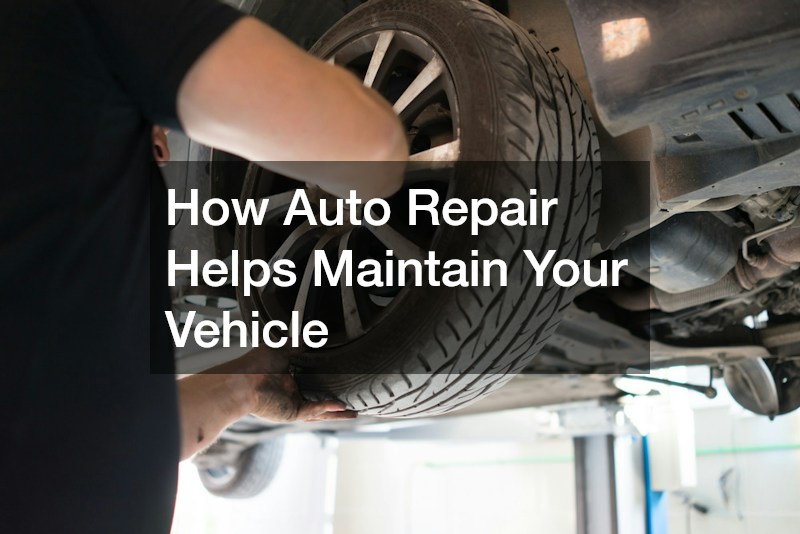
Tires have a direct connection to the road, making their condition important for handling and ride quality. Proper inflation, adequate tread depth, and even wear can all contribute to dependable vehicle operation. Tires should be inspected regularly for damage, uneven wear, and other concerns.
The suspension system also affects how a vehicle handles bumps, turns, and changes in road conditions. Components such as shocks, struts, springs, and related parts can wear over time. Signs of suspension problems can include excessive bouncing, uneven tire wear, unusual noises, or changes in handling.
Routine inspections can help identify tire and suspension concerns. Addressing worn or damaged components can support proper handling and help prevent related issues from affecting other vehicle systems.
Keeping Fluids and Filters in Good Condition
Several fluids help different vehicle systems operate properly. Engine oil, transmission fluid, coolant, brake fluid, and power steering fluid, when applicable, each serve specific purposes. Fluid levels and condition can change over time, so they should be checked according to the vehicle manufacturer’s recommendations.
Filters also play an important role. Engine air filters help limit contaminants entering the engine, while cabin air filters help improve the air circulating inside the vehicle. A clogged or heavily contaminated filter can affect performance or airflow.
Regular service can help identify low fluid levels, leaks, contaminated fluids, and filters that need replacement. Following the recommended maintenance schedule can help vehicle owners keep these routine items from being overlooked.
Choosing Appropriate Service for Your Vehicle
Every vehicle has different maintenance requirements, so service decisions should be based on the manufacturer’s recommendations and the vehicle’s actual condition. A vehicle driven frequently in heavy traffic, extreme temperatures, or other demanding conditions may require different attention than one used primarily for occasional trips.
Keeping service records can make it easier to track oil changes, inspections, tire services, fluid replacements, and other work. Drivers can also mention changes in vehicle behavior to their service provider. Details about when a noise occurs, whether a warning light appears intermittently, or how the vehicle handles can help technicians investigate a concern.
Consistent vehicle care can help support dependable performance, comfortable driving, and the long-term condition of important components. Routine maintenance, timely inspections, and attention to warning signs all contribute to a proactive approach to vehicle ownership.
When a problem does arise, professional auto repair can help determine its cause and address affected components. Staying attentive to your vehicle and following its recommended maintenance schedule can help you address concerns before they interfere with everyday driving. A little attention throughout the life of a vehicle can go a long way toward supporting its performance and reliability.

About the Author