Commercial vehicles work hard every day. They haul freight, carry tools, deliver goods, transport equipment, support service calls, and keep businesses connected to their customers. When one vehicle goes down, the impact can spread quickly. A missed route can delay deliveries, frustrate clients, slow down crews, and create added costs that go beyond the repair bill itself.
That is why commercial vehicle repair should not be treated as something that only happens after a breakdown. A smart repair plan helps business owners, fleet managers, and drivers catch problems early, protect safety, and keep vehicles ready for the road. The goal is not to eliminate every possible issue, because mechanical problems can still happen. The goal is to reduce avoidable downtime and respond quickly when repairs are needed.
Keeping commercial vehicles moving requires attention to engines, transmissions, trailers, body damage, roadside response, inspections, driver reporting, and repair priorities. Each of these areas plays a role in how reliably a vehicle performs. With consistent service habits and clear communication, businesses can protect their vehicles, drivers, schedules, and long-term operating costs.
Build a Repair Plan Before Downtime Happens
Commercial vehicles need a more structured repair plan than personal vehicles. A personal car that needs service may be inconvenient, but a work truck or trailer that fails during business hours can affect revenue, staffing, deadlines, and customer relationships. Waiting until a vehicle is already out of service usually leads to rushed decisions and higher costs.
A strong repair plan starts with regular inspections and maintenance records. Business owners should track oil changes, brake service, tire replacements, battery replacements, fluid service, prior warning lights, major repairs, and inspection dates. These records help show patterns. If the same vehicle repeatedly needs brake work, loses fluid, or develops warning lights, that history can help a repair provider diagnose the problem more accurately.
Working with dependable auto repair companies can also help businesses stay ahead of recurring issues. A repair provider that sees the same vehicles over time may notice changes that a one-time shop visit could miss. They can also help schedule preventive work during slower periods instead of waiting for a failure during a busy route.
The best repair plans are practical and repeatable. They help commercial vehicles stay safer, reduce emergency repairs, and extend the life of expensive equipment.
Watch for Engine Problems Early
Engines are the heart of commercial vehicles, and diesel engines are often expected to handle heavy loads, long hours, and demanding driving conditions. They are built for durability, but they still need consistent attention. Small symptoms can point to larger problems developing inside the fuel system, cooling system, turbocharger, emissions system, or internal engine components.
Diesel truck repair may be needed when drivers notice hard starting, excessive smoke, loss of power, rough idling, poor fuel economy, oil leaks, coolant loss, unusual knocking sounds, overheating, or check engine lights. These warning signs should not be ignored just because the vehicle still runs. A truck that is losing power or overheating may be close to a failure that could remove it from service completely.
A diesel engine rebuild may become necessary when wear is extensive, compression is poor, or major internal components are damaged. While a rebuild is a larger investment, it may make sense if the truck still has strong business value and the frame, body, transmission, and other major systems remain in good condition.
Keep Transmissions From Becoming Route-Stopping Problems
Transmission problems can take a commercial vehicle out of service quickly. A truck that cannot shift properly, back up, accelerate, or stay in gear may be unsafe to drive and difficult to move without assistance. For vehicles that tow, haul heavy loads, drive in stop-and-go traffic, or travel long routes, transmission health is especially important.
Auto transmission repair may be needed when a vehicle shows delayed shifting, slipping gears, grinding, jerking during acceleration, high RPMs without proper movement, leaking transmission fluid, warning lights, or trouble backing up. A burning smell can also be a serious sign, especially if the fluid is overheating or internal parts are wearing.
Transmission fluid deserves close attention. Low, dirty, or incorrect fluid can cause shifting problems and accelerate wear. Leaks should be checked as soon as they are noticed. A small drip under a parked truck may seem manageable, but continued driving can lead to overheating, slipping, and internal damage.
Commercial drivers should avoid pushing a vehicle through a route when shifting problems are already present. Continuing to drive with a slipping transmission can turn a repairable issue into a far more expensive failure.
Helpful prevention habits include:
- Check for fresh leaks under parked vehicles.
- Follow recommended service intervals.
- Avoid overloading the vehicle.
- Use the correct transmission fluid.
- Report shifting changes immediately.
- Watch for burning smells or unusual vibration.
Transmission care protects route reliability. It also helps prevent situations where a vehicle fails while loaded, far from the shop, or during a time-sensitive job.
Maintain Trailers Before They Interrupt Deliveries
Trailers are often overlooked because they do not have engines, but they are still essential to commercial operations. A truck may be ready to go, but a trailer with bad lights, worn brakes, damaged wiring, weak suspension, or broken doors can still stop a delivery from happening.
Local trailer repairs can help address smaller issues before they disrupt a schedule. These may include light replacement, wiring repair, hinge repair, tire service, brake adjustment, floor patching, or latch repair. Small trailer problems can become major delays when they are discovered during loading, at a jobsite, or during a roadside inspection.
Larger trailers may require local semi trailer repair when structural components, brake systems, suspension parts, landing gear, kingpins, couplers, or cargo areas are damaged. Fleet trailers should be inspected regularly because they may be used by multiple drivers, loaded by different crews, and exposed to a wide range of routes and conditions.
Respond Quickly After Breakdowns and Roadside Failures
Even well-maintained commercial vehicles can break down unexpectedly. A tire can blow, an engine can overheat, an electrical system can fail, or a vehicle can be damaged in an accident. When this happens, the response plan matters almost as much as the repair itself.
A local truck towing service may be needed for engine failure, transmission failure, brake problems, accident damage, overheating, electrical failure, tire blowouts, vehicles stuck off-road, or any condition that makes continued driving unsafe. Commercial towing is different from passenger vehicle towing because size, weight, cargo, trailer attachment, and vehicle type all affect how the tow must be handled.
Businesses should not wait until a vehicle is stranded to decide who to call. Towing contacts should be available in each vehicle and saved with dispatch or management. Drivers should know how to describe their location, vehicle type, trailer status, load condition, and safety concerns.
A roadside plan should include:
- Move to a safe location if possible.
- Use hazard lights and warning triangles.
- Call dispatch or management quickly.
- Document warning lights, damage, and road conditions.
- Share the exact location or GPS point.
- Avoid attempting unsafe roadside repairs.
- Keep drivers away from traffic whenever possible.
Fast, organized response can reduce delays, protect drivers, and prevent further damage. It also helps the repair shop understand what happened before the vehicle arrives.
Repair Body Damage Before It Becomes a Bigger Issue
Body damage is not always just cosmetic. Dents, damaged panels, bent bumpers, broken mirrors, cracked lights, door damage, and cab damage can affect safety, visibility, compliance, aerodynamics, and the professional appearance of a business vehicle.
Auto body repair may be needed after minor collisions, parking lot damage, weather-related damage, damaged doors, or panel issues. Even small damage can create problems if it affects lights, mirrors, seals, or access points. A door that does not seal correctly can allow water into the cab. A damaged panel may hide rust or structural concerns. A cracked light can create a safety issue or an inspection problem.
Heavy duty truck collision repair may be required after larger crashes involving commercial trucks, trailers, frames, cabs, suspension parts, or undercarriage components. Large vehicles can continue driving after an impact while still having hidden damage that affects alignment, steering, wiring, air lines, or frame condition.
Prepare Vehicles for Required Safety Checks
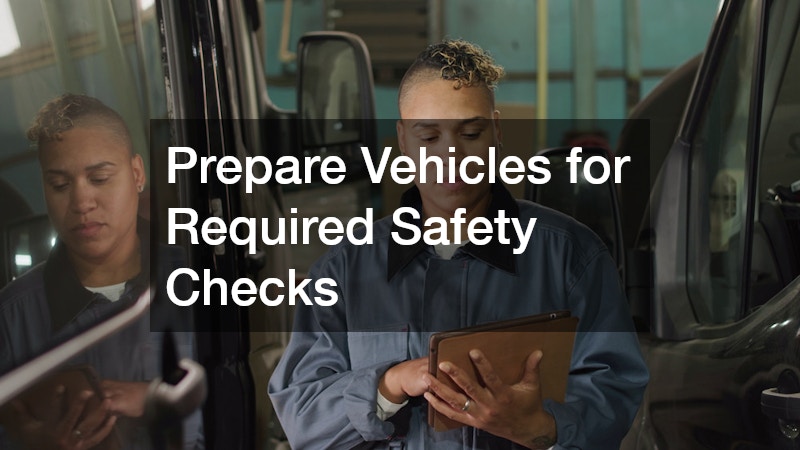
Commercial vehicles should be kept inspection-ready instead of rushed into compliance at the last minute. Waiting until a deadline is close can lead to avoidable downtime, emergency repair costs, and missed work if problems are found.
State inspections can reveal issues that affect safety, legality, and roadworthiness. Common items checked may include brakes, tires, lights, windshield condition, steering, suspension, exhaust, emissions-related systems, mirrors, wipers, horn, and safety equipment. Any of these areas can cause a vehicle to fail if they are not maintained.
Inspection preparation should be part of routine maintenance. Drivers can check lights weekly, monitor tire condition, report windshield cracks, and pay attention to warning lights. Shops can inspect brakes, steering, suspension, and exhaust before a deadline becomes urgent.
Simple inspection habits include:
- Test headlights, brake lights, signals, and markers.
- Replace worn wipers before visibility becomes poor.
- Repair windshield cracks early.
- Keep tires properly inflated.
- Address warning lights before inspection dates.
- Keep registration and service records organized.
- Verify mirrors, horn, and safety equipment.
Failing an inspection can interrupt schedules and create added pressure. Keeping vehicles ready throughout the year helps businesses avoid last-minute surprises and keeps commercial vehicles legally and safely on the road.
Train Drivers to Report Problems Clearly
Drivers are often the first people to notice that something has changed. They may hear a new noise, feel vibration, notice pulling, smell burning fluid, see smoke, or recognize that the vehicle is not accelerating or shifting normally. If they do not report those details, the problem may continue until it becomes more serious.
Businesses should encourage drivers to report concerns early instead of worrying that they are being difficult or slowing down operations. A small report today may prevent a route-stopping repair later. Clear driver communication also helps repair shops diagnose problems faster.
A good driver report should explain what happened, when it started, where it happened, whether it is constant or occasional, whether any dashboard warnings appeared, and whether the vehicle still feels safe to drive. Photos can also help when there is visible damage, leaks, tire wear, or warning lights.
Prioritize Repairs Based on Safety and Downtime Risk
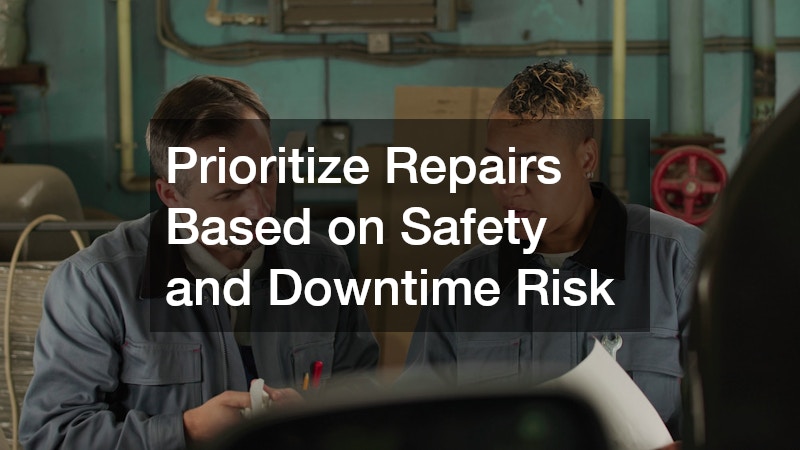
Not every repair has the same urgency, but safety-related problems should always come first. Brakes, steering, tires, suspension, lights, overheating, severe leaks, and unsafe drivability should never be delayed. A vehicle that is unsafe should be pulled from service until the problem is corrected.
Businesses can organize repairs into categories. Immediate safety concerns should be handled first. Repairs that affect legal operation should come next, especially issues that could cause failed inspections or roadside violations. Problems likely to cause breakdowns should also be scheduled quickly. Preventive maintenance can often be planned during slower periods. Cosmetic or comfort-related repairs may be scheduled around higher-priority work unless they affect safety or compliance.
Repair prioritization should consider:
- Driver safety: No route is worth risking injury.
- Legal operation: Inspection and compliance issues can stop work.
- Breakdown risk: Small problems can become expensive failures.
- Vehicle value: Timely repairs protect long-term investment.
- Business schedules: Planning repairs reduces unexpected downtime.
- Budget timing: Preventive work is easier to plan than emergencies.
Combining repairs when possible can reduce time out of service. For example, a vehicle already in the shop for brake work may also be due for fluid service, tire rotation, or inspection preparation. Maintenance records can help predict upcoming needs before they become urgent.
Smart repair prioritization protects drivers, customers, equipment, and schedules. It also helps businesses make better decisions when multiple vehicles need attention at the same time.
Commercial vehicles stay productive when owners treat repairs as part of daily operations rather than occasional emergencies. Every vehicle needs consistent attention, especially when it is used for hauling, delivery, towing, service routes, or jobsite work. A breakdown does more than stop a vehicle. It can interrupt customers, delay workers, increase costs, and put pressure on the rest of the business.
Keeping commercial vehicles moving requires consistent attention, early action, and a plan for both routine maintenance and unexpected repairs. The businesses that stay ahead of repairs are usually the ones that protect their drivers, serve customers more reliably, and get more value from every vehicle they own.
About the Author